Have you ever taken a moment to think about how tracking your expenses could unlock new levels of financial control? Understanding where your money goes is the first step toward achieving financial wellness. In this article, we’ll explore the importance of expense tracking and how it can help you optimize your budget for a more secure financial future.
What You Will Learn
- The significance of expense tracking in understanding your financial habits and achieving financial stability.
- Key benefits of tracking expenses, including increased awareness, identifying overspending trends, and improved budgeting.
- An overview of popular expense tracking apps like YNAB, Mint, and PocketGuard, and how to choose the right one for your needs.
- Essential features to look for in budgeting software, such as ease of use, customization, and reporting capabilities.
- The pros and cons of manual versus automated expense tracking methods, helping you determine what works best for you.
- Steps to set up a successful expense tracking system, including categorizing expenses and establishing a routine for monitoring your budget.
- Resources for further financial education, including workshops and personal coaching, to support your journey toward financial wellness.
Comparative Analysis of Top Expense Tracking Apps
Explore the key features and pricing of popular expense tracking tools to find the best fit for your financial management needs. For more insights on optimizing your financial plan, consider our guide on mastering your finances with coaching.
YNAB (You Need A Budget)
- Best For: Proactive Budgeting
- Cost: $84/year
- Key Feature: Zero-Based Budgeting
Rocket Money
- Best For: Expense Tracking
- Cost: Free with premium options
- Key Feature: Subscription Monitoring
Mint
- Best For: All-in-One Tool
- Cost: Free
- Key Feature: Automatic Bill Tracking
PocketGuard
- Best For: Simplified Budgeting
- Cost: Free with premium options
- Key Feature: Spendable Income Calculation
The Importance of Tracking Expenses and Budget Optimization
Have you ever wondered where your money really goes each month? Tracking expenses isn’t just about figuring out how much you’re spending; it’s about taking control of your financial life. Here at Financial Coaching Vault, I believe that understanding your spending habits is the first step toward achieving financial stability and success!
By consistently monitoring your expenses, you can identify areas where you might be overspending. This awareness empowers you to make smarter choices that align with your financial goals. So, let’s dive into the basics of financial management and see how expense tracking can help you optimize your budget!
Understanding Financial Management Basics
Financial management is all about making informed decisions regarding your money. It involves planning, organizing, directing, and controlling your financial activities. This may sound complex, but when broken down, it can be quite simple!
Why Managing Finances is Essential for Everyone: Every individual, regardless of income level, can benefit from good financial management. It helps you avoid debt, prepare for emergencies, and save for future goals. Remember, managing your finances isn’t just about making money; it’s about making your money work for you! For additional guidance on effective financial planning, explore our budgeting made simple guide.
Setting the Foundation: What is Expense Tracking?
Expense tracking is the process of recording all your spending to see where your money goes. It’s like keeping a diary of your financial habits! By tracking your expenses, you can categorize them and better understand your spending patterns.
Here are some key benefits of expense tracking:
- Increased Awareness: You’ll gain insight into your financial behavior.
- Identifying Trends: Spot where you tend to overspend.
- Better Budgeting: Use your findings to create a more effective budget.
At Financial Coaching Vault, I’ve seen firsthand how taking the time to track expenses transforms people's financial situations. So why not start today? Tracking your spending could be the key to unlocking your path to financial success!
Choosing the Right Tools for Expense Tracking and Budgeting
Now that we’ve covered why tracking expenses is important, let’s talk about the tools that can make this process easier! With so many apps and software options available, it’s crucial to choose the right fit for you.
Let’s look at some top expense tracking apps and budgeting tools that can help streamline your financial management!
Overview of Top Expense Tracking Apps and Budgeting Tools
In today’s digital age, various apps and tools can help simplify expense tracking. Here are a few popular options:
- YNAB (You Need A Budget): Focuses on proactive budgeting strategies.
- Rocket Money: Offers insights into spending habits and goals.
- Mint: Helps with budgeting and tracking bills seamlessly.
- PocketGuard: Simplifies budgeting by showing how much you can spend.
Choosing the right tool will depend on your personal preferences and financial goals. So, take some time to explore these options and see which one resonates with you!
Key Features to Look for in Budgeting Software
When evaluating budgeting software, consider these essential features:
- Ease of Use: Look for an intuitive interface that allows for quick navigation.
- Customization: Ensure you can tailor categories to fit your spending habits.
- Reporting: Look for apps that provide insights into your financial habits.
These features can significantly enhance your budgeting experience and make tracking your expenses more manageable.
Comparative Analysis: YNAB, Rocket Money, and Other Options
Let’s break down some of the most popular budgeting tools:
| App Name | Best For | Cost | Key Feature |
|---|---|---|---|
| YNAB | Proactive Budgeting | $84/year | Zero-Based Budgeting |
| Rocket Money | Expense Tracking | Free with premium options | Subscription Monitoring |
| Mint | All-in-One Tool | Free | Automatic Bill Tracking |
| PocketGuard | Simplified Budgeting | Free with premium options | Spendable Income Calculation |
By comparing these options, you can choose the one that aligns with your financial needs and goals. Having the right tool can make a world of difference!
Exploring Popular Expense Tracking Apps: Mint and PocketGuard
Mint and PocketGuard are particularly known for their user-friendly interfaces and effectiveness. Mint allows you to link your bank accounts for automatic tracking, while PocketGuard shows how much money you have left to spend after bills and savings. Both provide unique benefits that can help you stay on top of your expenses!
Regardless of which app you choose, remember that the goal is to find one that resonates with you and your financial journey. Make expense tracking a part of your routine, and soon you’ll see the positive impact on your financial wellness!
Leveraging Microsoft Excel and Google Sheets for Budgeting
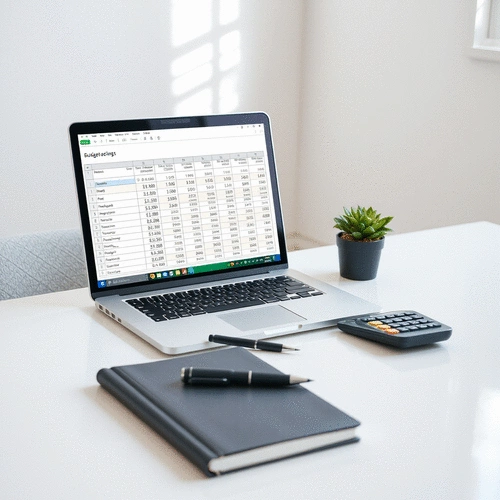
If you prefer a more hands-on approach, consider using Microsoft Excel or Google Sheets for your budgeting needs. Both allow for customization, so you can create a budgeting spreadsheet tailored to your specific situation. Plus, they’re free tools that many people are already familiar with!
Here’s a basic structure you can follow:
- Income: List all sources of income.
- Fixed Expenses: Include rent, utilities, and insurance.
- Variable Expenses: Track groceries, entertainment, and other flexible costs.
- Savings: Set goals for savings each month.
With a little creativity, spreadsheets can become powerful budgeting tools that work for you!
Manual vs. Automated Expense Tracking: Pros and Cons
When it comes to tracking expenses, you can choose between manual methods or automated solutions. Each has its pros and cons, so let’s explore them!
Benefits of Manual Expense Tracking
Manual tracking requires you to record each expense yourself. While it might seem tedious, it offers unique benefits:
- Increased Awareness: You’ll become more conscious of your spending habits.
- Customization: You can create categories that truly reflect your financial situation.
- Hands-On Approach: Engaging with your finances can lead to better decision-making.
At Financial Coaching Vault, I often recommend manual tracking for those who enjoy being hands-on with their finances. It can be a rewarding process!
Advantages of Automated Tracking Systems
Automated expense tracking systems can save you time and energy. Here are some advantages:
- Time-Saving: Automated systems can record expenses in real-time.
- Reduced Errors: Less chance of human mistake in calculations.
- Quick Insights: Easily generate reports to analyze trends.
Automated tools are great for those looking for convenience and efficiency in their financial management. For more insights on strategic financial planning, check out these smart financial coaching strategies.
Understanding Automated Budgeting and Financial Apps
Automated budgeting apps can sync with your bank accounts to provide live updates on your spending. This means you’ll always have real-time information at your fingertips. By understanding how these apps work, you can take full advantage of their capabilities.
In conclusion, whether you choose a manual or automated method, the important thing is to find what works best for you! At Financial Coaching Vault, we believe that understanding your expenses is a powerful tool for achieving financial freedom!
We Want to Hear From You!
As you embark on your journey to financial wellness, we’d love to know: What expense tracking method do you find most effective? Is it a manual approach, a specific app, or perhaps a combination of both? Share your thoughts below:
Frequently Asked Questions About Expense Tracking and Budgeting
Q1: Why is expense tracking important for financial wellness?
A1: Expense tracking is crucial because it provides a clear understanding of where your money goes. This awareness helps you identify overspending, make informed financial decisions, and optimize your budget to achieve financial stability and goals.
Q2: What are some key benefits of tracking expenses?
A2: Key benefits include increased awareness of your financial habits, the ability to identify spending trends and areas of overspending, and the foundation for creating a more effective and realistic budget.
Q3: What are some popular expense tracking apps mentioned in the article?
A3: Popular expense tracking apps include YNAB (You Need A Budget), Rocket Money, Mint, and PocketGuard. Each offers unique features catering to different budgeting styles and needs.
Q4: What features should I look for in budgeting software?
A4: When choosing budgeting software, look for ease of use (intuitive interface), customization options (ability to tailor categories), and robust reporting capabilities to gain insights into your financial habits and trends.
Q5: Should I choose manual or automated expense tracking?
A5: Both manual and automated methods have pros and cons. Manual tracking increases awareness and allows for high customization, while automated systems offer time-saving benefits, reduced errors, and quick insights. The best choice depends on your personal preferences and how hands-on you want to be with your finances.
Summarizing Key Takeaways for Effective Expense Tracking
As we wrap up our discussion on the importance of expense tracking and budget optimization, let’s highlight some essential steps that can lead to financial success. The journey to managing your finances effectively involves understanding key concepts and applying specific strategies. Remember, it’s all about making informed decisions that align with your financial goals!
First and foremost, having a solid budgeting plan is crucial. Whether you decide to track expenses manually or opt for digital tools, the essential step is to find a method that suits your lifestyle. By consistently monitoring your spending, you’ll gain insights that can help optimize your budget over time.
Recap of Essential Steps for Budget Optimization
To ensure that your budget remains effective, consider these important steps:
- Track Your Income: Always know how much money is coming in each month.
- Evaluate Expenses: Categorize your spending to identify areas for improvement.
- Set Clear Financial Goals: Establish what you want to achieve, whether it’s saving for a vacation or building an emergency fund.
- Choose the Right Tools: Use budgeting apps, spreadsheets, or manual tracking methods that suit your preferences.
By keeping these steps at the forefront of your financial management approach, you’ll be well on your way to achieving your financial objectives. At Financial Coaching Vault, we believe that these strategies not only simplify your budgeting process but also bring clarity to your financial journey. To further enhance your financial health, consider these budgeting tips for financial stability.
The Role of Technology in Budgeting Efficiency
Embracing technology can significantly enhance your expense tracking and budgeting efficiency. Digital tools can automate many processes, allowing you to focus on analyzing your financial data instead of spending time on manual entries. Here are a few ways technology can help:
- Automated Tracking: Apps can automatically categorize transactions, saving you time.
- Real-Time Insights: Get immediate feedback on your spending habits.
- Data Visualization: Use charts and graphs to understand your financial landscape better.
By integrating technology into your budgeting, you’ll not only streamline your process but also empower yourself with the information needed for smart financial decisions!
Choosing the Best Tools Based on Individual Needs
Finding the right expense tracking tool is key to successful financial management. Your choice may depend on various factors including your comfort level with technology, specific budgeting needs, and personal preferences. Here are some options tailored to different needs:
- For Beginners: Apps like Mint offer user-friendly interfaces.
- For Advanced Users: YNAB provides robust features for serious budgeting.
- For Spreadsheet Lovers: Microsoft Excel and Google Sheets allow for total customization.
As you explore these tools, think about what features align with your financial goals. Each individual’s journey is unique, and finding the right solution can make all the difference.
Evaluating Expense Management Systems and Financial Dashboards
Finally, make sure to evaluate the expense management systems you choose to implement. Look for features that will enhance your budgeting experience, such as:
- Customization: Ability to tailor categories based on your financial life.
- Integration: Compatibility with other financial apps or bank accounts.
- Security: Strong measures to protect your financial information.
Regularly reassessing your tools ensures that they continue to serve your financial journey effectively. As you become more confident with your budgeting, you'll find it easier to take control of your financial future!
Encouraging Action: Start Your Journey to Financial Wellness
Now that you have a comprehensive understanding of budgeting and expense tracking, it’s time to take action! Setting up your expense tracking system is an empowering step towards financial wellness. Don’t wait—start today!
Next Steps: Setting Up Your Expense Tracking System
Here’s a simple checklist to get you started:
- Choose Your Tracking Method: Decide between manual tracking, spreadsheets, or an app.
- Gather Financial Information: Collect all income sources and expenses.
- Set Up Categories: Organize your expenses into clear categories for better visibility.
- Establish a Routine: Set aside a regular time to review and adjust your budget.
Taking these initial steps can create a strong foundation for a healthier relationship with your finances. Remember, progress takes time, and every little step counts! For more detailed guidance, learn how to build a lasting financial plan.
Resources for Further Learning and Support
At Financial Coaching Vault, we are committed to providing you with ongoing support. Consider exploring resources like:
- Online Workshops: Join financial literacy sessions for personalized guidance.
- Webinars: Attend discussions on effective budgeting strategies.
- Personal Coaching: Connect with me for tailored financial coaching sessions!
These resources can help deepen your understanding of financial management and keep you motivated on your journey to financial success!
Inviting Readers to Share Their Budgeting Success Stories
Lastly, I’d love to hear from you! Have you implemented any of these budgeting strategies? What changes have you noticed in your financial life? Sharing your success stories not only inspires others but also creates a supportive community of individuals striving for financial wellness. Let’s celebrate our achievements together! You can also find more inspiration and strategies on budgeting strategies for financial success.
Recap of Key Points
Here is a quick recap of the important points discussed in the article:
- Understand Financial Management Basics: Good financial management helps avoid debt, prepare for emergencies, and save for future goals.
- Benefits of Expense Tracking: Increased awareness of spending habits, identifying trends, and better budgeting can lead to improved financial decisions.
- Choose the Right Tools: Utilize budgeting apps like YNAB, Mint, and PocketGuard or use spreadsheets for customizable tracking.
- Manual vs. Automated Tracking: Both methods have their pros and cons; choose the one that aligns with your comfort and needs.
- Set Clear Financial Goals: Establish specific objectives to guide your budgeting process effectively.
- Embrace Technology: Use automated tools for real-time insights and data visualization to enhance your budgeting efficiency.
- Regularly Evaluate Your Systems: Ensure the tools you use meet your evolving financial needs and provide necessary security and customization.